
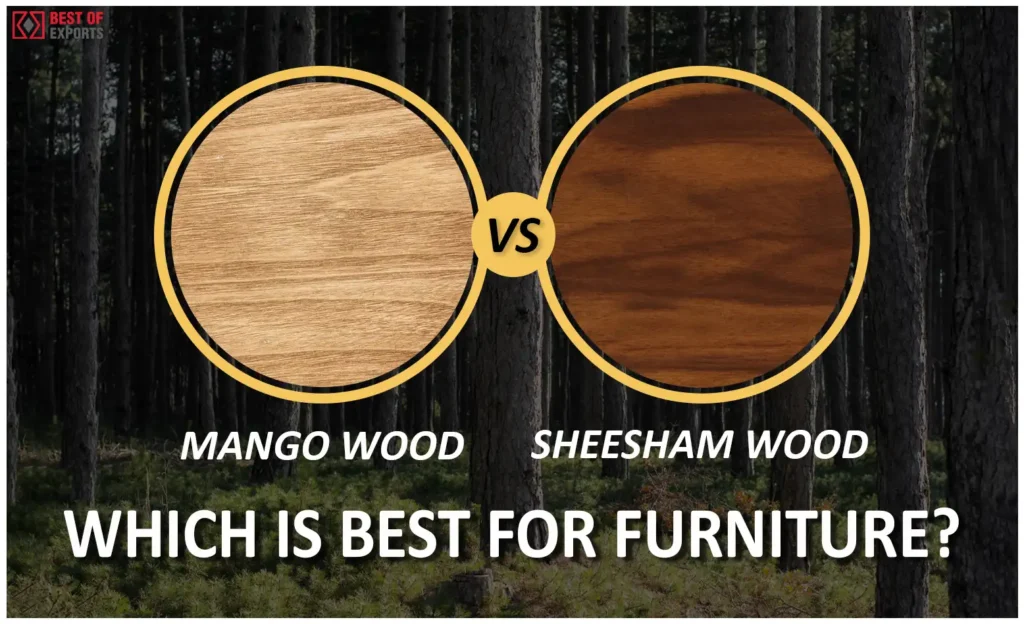
When it comes to choosing the right wood for furniture, two names frequently dominate the conversation—Mango wood and Sheesham wood. Both are widely celebrated in the Indian and global furniture industry for their durability, aesthetics, and sustainability. However, each brings its own unique characteristics that make it better suited for specific needs and preferences.
Whether you’re designing a cozy home, furnishing a stylish café, or outfitting a luxurious hotel, understanding the differences between mango wood vs sheesham wood is essential to making the right investment. In this detailed guide, we’ll compare both wood types across critical factors like strength, visual appeal, cost, maintenance, and eco-impact—helping you decide which wood is best suited for your space and usage.
What Is Mango Wood?
Mango wood originates from the mango fruit tree, which grows abundantly in countries like India, Thailand, and Bangladesh. What makes mango wood especially appealing is that it’s harvested only after the tree stops producing fruit—making it both resource-efficient and environmentally conscious.
Key Highlights:
- Density: Medium to high, with decent load-bearing capacity
- Texture: Smooth, with straight or interlocked grain
- Color: Ranges from golden brown to light tan, with unique streaks
- Workability: Highly workable for machine or hand tools
- Eco-friendliness: Considered one of the most sustainable hardwoods
Mango wood has become a favorite choice in contemporary furniture design due to its budget-friendly nature and distinctive grain patterns, which blend beautifully with both rustic charm and minimalist aesthetics.
What Is Sheesham Wood?
Sheesham wood, commonly referred to as Indian Rosewood, is a richly grained and highly resilient hardwood native to the Indian subcontinent, prized for its strength and enduring quality.
Renowned for its luxurious finish and long-lasting strength, this wood has been a cornerstone of traditional Indian craftsmanship for centuries.
Key Highlights:
- Density: Very high, providing excellent strength
- Texture: Coarse, with a rich, interwoven grain
- Color: Deep reddish-brown to dark golden, often with contrasting streaks
- Workability: Ideal for detailed hand carving and heavy furniture
- Pest Resistance: Naturally resistant to termites and decay
Sheesham wood is a favorite in luxury furniture, especially where intricate designs or structural durability is key.
Also Read: Top 10 Hospitality Furniture Manufacturers in India
Mango Wood vs Sheesham Wood: In-Depth Comparison
Let’s compare both wood types across different factors that impact furniture selection.
| Feature | Mango Wood | Sheesham Wood |
| Durability | Strong enough for regular use | Extremely robust and long-lasting |
| Texture & Grain | Fine, with subtle streaks | Bold and rich, great for classic designs |
| Color | Light tones, modern and fresh | Darker hues, rich and traditional |
| Maintenance | Low maintenance, occasional polishing | Needs frequent polishing for best finish |
| Ease of Use | Easier to shape and mold | Best for detailed, traditional carvings |
| Price | More budget-friendly | Generally higher-end and costlier |
| Sustainability | Rapidly renewable, eco-conscious | Sustainable but slower growth |
1. Durability & Strength
Mango wood, with its medium-high density, is more than capable of handling daily use. When thoroughly dried and treated, it offers solid resistance against moisture damage and warping over time.
However, if you’re looking for strength that spans generations, Sheesham wood wins the battle. Its high density and natural oils protect it against pests and decay, making it ideal for structural pieces like beds and wardrobes.
Winner: Sheesham Wood – For strength and longevity.
2. Aesthetic Appeal & Grain Pattern
Mango wood carries a clean, elegant look with its light tones and unpredictable grain. This lends a casual, earthy charm perfect for Scandinavian or rustic themes.
On the other hand, Sheesham wood offers dramatic contrasts and a deep, luxurious finish. It commands attention in any room and is preferred for ornate, statement-making furniture.
Winner: Tie – Mango for modern styles, Sheesham for timeless elegance.
3. Workability & Craftsmanship
Craftsmen value mango wood for its naturally soft texture and ease of handling, making it ideal for shaping, sanding, and designing with minimal effort.
It’s easier to machine, sand, and finish, making it perfect for contemporary designs and large-scale furniture production.
Sheesham wood, while harder to carve due to its density, holds intricate designs beautifully once finished. It’s a preferred material for creating intricately carved furniture and vintage-inspired designs.
Winner: Depends on Use – Mango for easy builds, Sheesham for skilled craftsmanship.
4. Cost & Affordability
Cost is often the deciding factor in commercial furniture buying. Mango wood is affordable due to the tree’s short maturity cycle and abundant availability. It’s ideal for furnishing entire spaces without overspending.
Sheesham wood furniture comes with a premium price tag. However, that price reflects its quality, durability, and luxury feel.
Winner: Mango Wood – A smart choice for budget-conscious buyers without compromising on style or quality.
5. Maintenance Requirements
Furniture made from mango wood is generally low-maintenance. A gentle wipe-down and occasional polish keep it looking fresh. It also doesn’t lose its color quickly.
Sheesham wood demands more care. To preserve its gloss and grain, regular polishing and protection from direct sunlight are required.
Winner: Mango Wood – For effortless maintenance.
6. Sustainability & Environmental Impact
Mango wood scores high on sustainability. Since the trees are first used for fruit production, the wood is harvested as a secondary resource, making it environmentally efficient.
Sheesham wood is also responsibly harvested, but its slower growth and limited availability mean it’s less renewable than mango.
Winner: Mango Wood – For eco-conscious buyers.
Also Read: What is Teak Wood: Definition, Uses, Benefits & Characteristics
Which Wood Is Best for What Furniture?
| Furniture Type | Recommended Wood | Why |
| Dining Tables | Sheesham Wood | Premium look + sturdy build |
| Coffee Tables | Mango Wood | Lightweight and unique grain |
| Beds | Sheesham Wood | Termite resistance and strength |
| Cabinets & Sideboards | Mango Wood | Easy to craft, modern finishes |
| Lounge Chairs | Mango Wood | Comfortable and affordable |
| Bookshelves | Mango Wood | Simple design and functionality |
| Wardrobes | Sheesham Wood | Heavy-duty and elegant |
Mango Wood vs Sheesham Wood: Final Thoughts
So, which wood takes the crown?
It really depends on what you value most. If you’re after affordability, ease of maintenance, and a rustic-modern aesthetic, mango wood will exceed your expectations. If you’re looking for furniture that stands the test of time, showcases rich, elegant grains, and carries a legacy-worthy appeal, then Sheesham wood is undoubtedly a top choice.
Both are excellent in their own right—and when sourced from trusted manufacturers, each can bring charm and value to your interiors.
Why Buy Mango and Sheesham Furniture from Best of Exports?
When it comes to sourcing top-tier mango and sheesham wood furniture, Best of Exports stands out as India’s #1 Restaurant and Hotel Furniture Manufacturer. Our factory boasts over 1.15 lakh sq. ft. of production space, supported by a team of 300+ skilled professionals.
We offer:
- Custom-built furniture for restaurants, cafes, and hotels
- Sustainable sourcing of mango and sheesham wood
- Elegant and functional designs tailored to your brand
- 1500+ completed projects with global clients
- Bulk order capacity with fast delivery timelines
Whether you’re looking for rustic mango wood café chairs or luxurious sheesham wood hotel suites, we bring your vision to life with quality and precision.
Also Read: Different Types of Teak Wood for Furniture: A Complete Guide
Conclusion: Mango Wood vs Sheesham Wood – What’s Best for You?
Ultimately, choosing between mango wood and sheesham wood isn’t about which one is better overall—it’s about which one better fits your style, needs, and space.
- Choose Mango Wood for: Affordable, stylish, eco-friendly furniture with a relaxed appeal.
- Choose Sheesham Wood for: Durable, premium-quality furniture with rich, traditional aesthetics.
With either choice, you’re investing in beauty, strength, and timeless design.
FAQs: Mango Wood vs Sheesham Wood
1. Which wood lasts longer—mango or sheesham?
Sheesham wood generally lasts longer due to its high density and resistance to pests.
2. Is mango wood suitable for daily-use furniture?
Yes, mango wood is strong enough for daily use when properly treated and maintained.
3. What type of furniture is best made with sheesham wood?
Beds, dining sets, and wardrobes—anything requiring high strength and a premium finish.
4. Can mango wood be used outdoors?
It can be used outdoors if sealed properly, but it’s best suited for indoor use.
5. Which is more eco-friendly?
Mango wood, due to its by-product status and fast renewability.
6. Does sheesham wood fade over time?
It may fade if not regularly polished or if exposed to harsh sunlight.
7. Is mango wood good for commercial furniture?
Absolutely! It’s lightweight, cost-effective, and easy to craft in bulk.
8. Where can I buy quality mango or sheesham wood furniture?
Best of Exports is a trusted name for high-quality, customizable furniture in both mango and sheesham wood.

Pingback: Is Teak Wood Expensive? A Complete Price Guide for 2025