
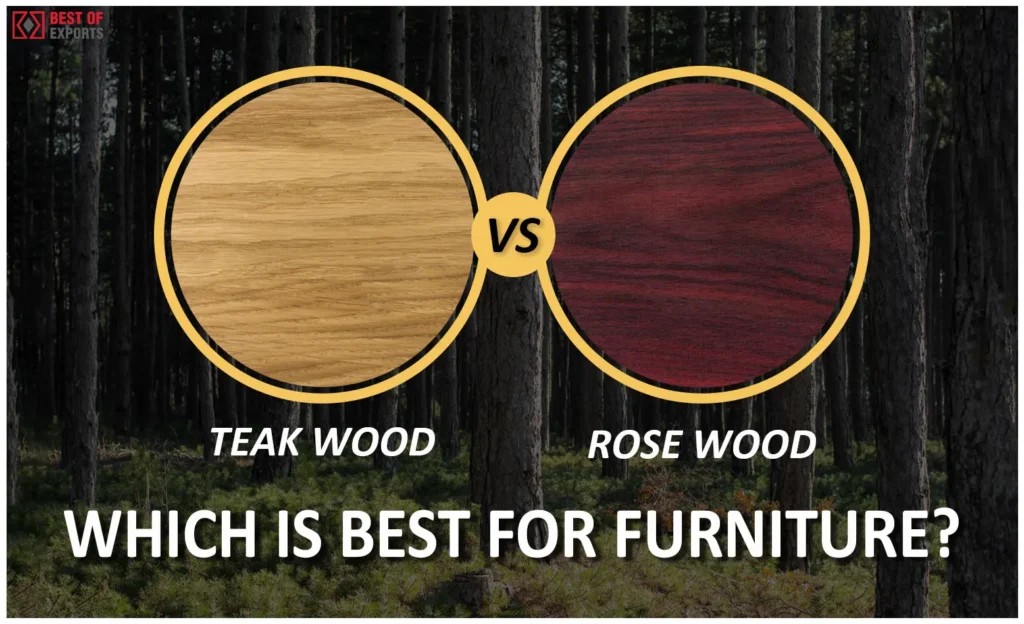
When it comes to choosing furniture for your home, the type of wood plays a significant role in determining durability, aesthetics and value. Both are renowned for their beauty and strength but which one is better for your needs? In this comprehensive and highly informative guide, we’ll explore the differences between teak Wood vs rosewood furniture, comparing their characteristics, benefits, and drawbacks to help you make an informed decision.
What is Teak Wood?
Teak wood is a premium hardwood derived from the Tectona grandis tree, primarily found in Southeast Asia, India, and parts of Africa. Teak is loved for its golden brown shades and very fine grain which is why it is highly valued by furniture makers for its excellent durability and natural resistance to moisture, pests and weathering. These attributes make it an excellent choice for both indoor and outdoor furniture.
Key Features of Teak Wood Furniture
- Durability: Teak is incredibly strong and can last for decades with proper care.
- Natural Oils: Its high oil content makes it resistant to water, insects and rot.
- Aesthetic Appeal: Teak’s warm tones and smooth texture add elegance to any space.
- Low Maintenance: Requires minimal upkeep to retain its beauty and strength over time.
Also Read: Top 10 Teak Wood Uses in Modern Furniture
What is Rosewood?
Rosewood refers to a group of hardwoods from the Dalbergia genus, primarily found in India, Brazil and parts of Africa. Rosewood’s rich color and natural designs make it perfect for creating a luxurious feel.
Key Features of Rosewood Furniture
- Stunning Aesthetics: Rosewood’s deep hues and unique grain make it a standout choice.
- Strength: It’s a dense, durable wood that withstands wear and tear.
- Smooth Finish: Rosewood polishes beautifully, giving furniture a glossy look.
- Cultural Significance: Often used in traditional and antique furniture designs.
- Versatility: Suitable for both modern and classic furniture styles.
Also Read: Is Teak Wood Expensive?
Teak Wood vs Rosewood Furniture: A Detailed Comparison
To help you decide between teak Wood vs rosewood furniture, let’s compare them across key factors like durability, aesthetics, maintenance, cost and sustainability.
1. Durability and Strength
Both teak and rosewood are hardwoods, meaning they are strong and long lasting. However, their durability varies slightly based on their properties.
- Teak Wood: Teak is well known and loved for its outstanding durability due to its high natural oil and silica content. These oils protect the wood from moisture, insects and fungal growth, making it ideal for outdoor furniture. Teak furniture can last for many decades with minimum care.
- Rosewood:Rosewood’s solid build helps protect it from everyday scratches and damage. However, it’s less resistant to moisture and weathering compared to teak, making it better suited for indoor use.
2. Maintenance Requirements
Ease of maintenance is crucial for busy homeowners.
- Teak Wood: Its natural oils protect it from the elements so regular cleaning with mild soap and water is usually enough.
- Rosewood: Rosewood needs more care, especially for indoor furniture. It should be polished regularly to maintain its shine and protected from direct sunlight to prevent fading. Avoid exposure to moisture to prevent warping.
3. Cost and Value
Price is a significant factor when choosing between teak Wood vs rosewood furniture.
- Teak Wood: Teak is expensive due to its high demand, durability and sustainable sourcing. However, its longevity makes it a cost-effective investment over time.
- Rosewood: Rosewood is often pricier than teak due to its rarity and luxurious appeal. Certain species of rosewood, like Indian rosewood are protected, increasing costs due to limited supply.
Winner: Teak for better long-term value; rosewood for premium and high-end appeal.
4. Sustainability and Environmental Impact
Sustainability is a growing concern for eco-conscious buyers.
- Teak Wood: Teak is often sourced from plantations, making it a renewable resource when certified by organizations like the Forest Stewardship Council (FSC). However, illegal logging in some regions can be an issue so always check for certification.
- Rosewood: Many rosewood species are endangered due to overharvesting, and trade is heavily regulated under CITES (Convention on International Trade in Endangered Species). Sourcing sustainable rosewood is challenging and buyers should verify its origin.
5. Versatility in Design
Both woods are versatile, but their applications differ.
- Teak Wood: Teak’s neutral tones and durability make it suitable for a wide range of furniture, from outdoor patio sets to indoor dining tables and chairs. It complements modern, minimalist and rustic designs.
- Rosewood: Rosewood’s bold color and grain make it ideal for statement pieces like carved chairs, ornate cabinets or antique-style furniture. It’s popular in traditional and luxurious interiors.
Also Read: Different Types of Teak Wood for Furniture: A Complete Guide
Tips for Caring for Teak and Rosewood Furniture
To ensure your furniture lasts for generations, follow these care tips:
Caring for Teak Wood Furniture
- Gently clean using a soft brush and a mild soap solution.
- Apply teak oil annually to maintain its golden color (optional for outdoor furniture).
- Store indoor teak furniture away from direct heat sources like radiators.
- For outdoor teak, allow it to weather naturally or sand lightly to restore its original hue.
Caring for Rosewood Furniture
- Gently wipe the surface with a soft and dry cloth regularly to prevent scratches.
- Apply high quality furniture polish to keep the shine long lasting.
- Keep your rosewood furniture away from direct sunlight and high humidity.
- Use coasters and mats to protect the surfaces from forming water rings and other stains.
Frequently Asked Questions about Teak Wood vs Rosewood Furniture
1. Which is more durable, teak wood or rosewood?
Teak wood is generally more durable, especially for outdoor use due to its natural oils that resist moisture and pests. Rosewood is durable for indoor furniture but less resistant to weathering.
2. Is teak wood furniture perfect for outdoor uses?
Yes, teak wood is ideal for outdoor furniture because of its water-resistant properties and ability to withstand harsh weather conditions.
3. Why is rosewood furniture so expensive?
Rosewood is expensive due to its rarity, luxurious appearance and restrictions on harvesting certain species under CITES regulations which limit supply.
4. Can teak and rosewood furniture be used together in the same room?
Absolutely! Teak’s warm tones and rosewood’s rich hues can complement each other, creating a balanced and elegant look. Just ensure the design styles align.
5. How can I tell if my furniture is made of teak or rosewood?
Teak features a warm golden-brown hue with a straight grain, whereas rosewood showcases a deeper color and intricate and wavy grain patterns. A professional can confirm the wood type if you are unsure.
6. Is teak wood more sustainable than rosewood?
Yes, teak is often more sustainable due to plantation-grown options and certifications like FSC. Rosewood’s endangered status makes sustainable sourcing more challenging.
7. Which wood is easier to maintain?
Teak wood is easier to maintain, requiring minimal care, especially for outdoor use.
Conclusion
When deciding between teak Wood vs rosewood furniture, there’s no one-size-fits-all answer. Rosewood, on the other hand, shines in luxurious indoor spaces with its rich color and intricate grain. Consider your budget, design preferences and maintenance willingness to choose the wood that best suits your lifestyle.
By understanding the strengths and limitations of each, you can invest in furniture that enhances your home’s beauty and lasts for generations. Whether you prefer the enduring sophistication of teak or the rich elegance of rosewood, both woods promise exceptional quality and unmatched style.
