
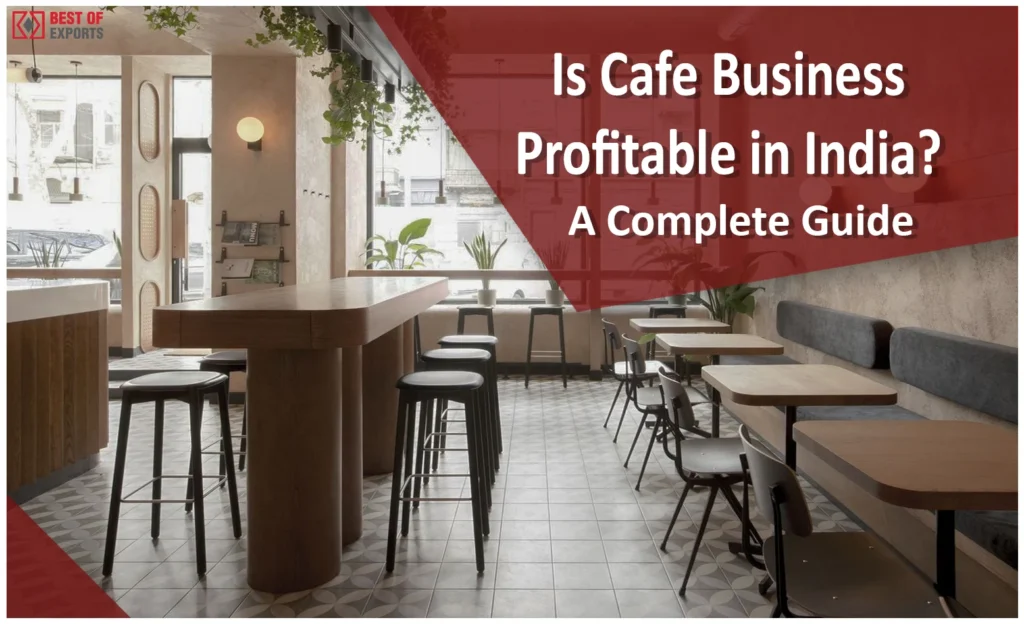
The smell of fresh coffee, the quiet buzz of conversation and the cozy atmosphere of a local cafe are comforts millions of Indians enjoy. As coffee culture grows, right from big cities to smaller towns, many aspiring entrepreneurs ask: is a cafe business profitable in India? The answer is yes, it can be very profitable.
But success does not happen automatically. It needs careful planning, smart execution and a good understanding of the market.
The Indian cafe market is changing. Today, it’s not just about serving coffee. Customers want unique experiences, a welcoming “third place” outside home and work and menus that suit different tastes. Knowing these trends is the first step in deciding whether opening a cafe is the right business for you.
This comprehensive and detailed guide in 2026 will cover everything you need to know.
The Indian Cafe Market: Size, Growth, and Trends
India’s love for coffee keeps growing every year. The market is worth billions and expanding fast, driven by more people living in cities, rising incomes and younger generations like millennials and Gen Z who see cafes as social hubs. As we move into 2026, many trends are shaping the industry:
- Specialty Coffee: Customers want high-quality coffee from single-origin beans, artisanal roasting and unique brewing methods like pour over and cold brew.
- Health and Wellness: There’s growing demand for healthier options such as plant-based milks (oat, almond), sugar-free drinks and nutritious food like salads and whole grain sandwiches.
- Experiential Dining: People care about the experience as much as the coffee. Themed decor, co-working-friendly spaces, live music and book corners are becoming big attractions.
- Tech Integration: Digital ordering, loyalty programs and a strong social media presence are now essential for engaging customers and running the cafe efficiently.
These trends show the market has great potential but they also raise the bar for new cafe owners. Success is not just about opening a cafe, it is about finding your unique niche and offering something special. Understanding this is key to deciding if a cafe business in India can be profitable for your specific vision.
Also Read: How to Start a Cafe Business in India – A Step-By-Step Guide
Decoding the Costs: Capital and Operational Expenses
Starting a cafe requires a significant investment. There are two main types of costs: Capital Expenditure (CAPEX) the one-time setup costs, and Operational Expenditure (OPEX) the ongoing monthly costs.
Capital Expenditure (CAPEX)
These are the initial costs to get your cafe up and running. Depending on your size and location, CAPEX can range from ₹10 lakhs for a small kiosk to over ₹60 lakhs for a premium, large-format cafe.
- Real Estate Security Deposit: Usually 3 to 6 months of rent, a major upfront cost.
- Interior Design and Fit-Outs: Includes flooring, plumbing, electrical work and creating the right ambiance (₹3 lakhs–₹20 lakhs+).
- Kitchen & Bar Equipment: Espresso machine, grinders, ovens, refrigerators, blenders and more (₹5 lakhs–₹15 lakhs).
- Furniture and Fixtures: Tables, chairs, sofas, lighting and decor (₹2 lakhs–₹8 lakhs).
- Technology (POS System): For billing, inventory and analytics (₹50,000–₹1.5 lakhs).
- Licenses and Permits: FSSAI license, GST registration, Shop & Establishment license, etc. (₹50,000–₹1 lakh).
Operational Expenditure (OPEX)
These are your monthly running costs. Managing OPEX well is key to making your cafe profitable.
- Rent: Often your biggest fixed cost, varying by city and location.
- Raw Materials (COGS): Coffee beans, milk, sugar, syrups and food ingredients, usually 25–35% of revenue.
- Staff Salaries: For baristas, chefs, service staff, and managers.
- Utilities: Electricity, water, gas and high-speed internet.
- Marketing & Promotion: Social media ads, influencer collaborations, local promotions.
- Miscellaneous: Maintenance, repairs, software subscriptions and other unexpected expenses.
Understanding these costs is essential for building a strong financial plan. It helps you realistically assess if a cafe business in India can be profitable for your situation.
Also Read: Cafe Setup Cost: How Much Does It Really Take to Open a Cafe in 2026?
Key Strategies for Maximising Profitability
Simply opening your doors is not enough. You need a multi-faceted strategy to attract customers and manage costs efficiently. A well-thought-out plan is what confirms a cafe business profitable in India for your unique circumstances.
Location, Location, Location
Your cafe’s location is perhaps the single most important factor determining its success.
- High Footfall Areas: Near offices, colleges, shopping districts or busy residential areas.
- Visibility and Accessibility: Easy to spot with ample parking or proximity to public transport.
- Local Competition: Analyse nearby cafes. Can you offer something different or better?
Cafe Formats and Business Models
The format of your cafe directly impacts your investment and revenue potential.
- Kiosk/QSR Model: Low investment, high volume, limited menu. Best for transport hubs and malls.
- Small Neighbourhood Cafe: Cozy, community-focused, moderate investment. Relies on repeat local customers.
- Premium Experiential Cafe: Large format, extensive menu, high investment. Focuses on ambiance and a unique experience.
- Franchise vs. Independent: A franchise offers brand recognition and operational support but requires royalty payments and less creative freedom. An independent cafe gives you full control but requires building a brand from scratch. Deciding this is a major step in knowing if a cafe business profitable in India will work for you.
Menu Engineering and Pricing Strategy
Your menu is your primary product.
- Core Offerings: High-quality coffee and a few signature beverages are a must.
- Food Pairings: Offer a mix of quick bites like pastries, sandwiches and more substantial items if your kitchen allows.
- Profitability Matrix: Identify your high-profit, high-popularity items and promote them. Redesign or remove low-profit, low-popularity items (Dogs).
- Pricing: Your prices should cover your COGS, OPEX and desired profit margin while remaining competitive. A common rule is to price food items at 3 to 4 times their raw material cost.
Supplier Management and Staffing
- Suppliers: Build strong relationships with reliable suppliers for coffee beans, dairy and fresh produce to ensure quality and consistent pricing.
- Staffing: Hire passionate and skilled baristas and service staff. They are the face of your brand. Invest in their training on coffee-making, customer service and hygiene. An excellent team helps ensure a cafe business profitable in India.
Marketing and Customer Acquisition
How will customers find you?
- Digital Presence: A visually appealing Instagram and Facebook page is non-negotiable. Post high-quality photos of your food, coffee and ambiance.
- Local SEO: Ensure your cafe is listed on Google Maps with accurate information and positive reviews.
- Delivery Platforms: Partner with Swiggy and Zomato to reach a wider audience but be mindful of their commission fees.
- Loyalty Programs: Encourage repeat visits with a simple loyalty card or a digital rewards program.
By focusing on these strategic areas, you are actively working to make sure that a cafe business profitable in India is not just a dream but your reality. It’s this proactive management that makes the difference. Many entrepreneurs ask, is a cafe business profitable in India, and the answer often lies in their dedication to these details.
Also Read: Cafe vs Restaurant: Key Differences You Need to Know
Risks, Regulations, and Future-Proofing
Like any business, a cafe in India comes with risks:
- High Competition: The market is crowded, so having a unique selling point (USP) is crucial.
- Rising Real Estate Costs: High rents can affect your profits.
- Supply Chain Disruptions: Price changes in milk, coffee and other essentials can impact margins.
- Changing Consumer Trends: You need to stay updated and adjust your offerings to meet new demands.
Regulatory Checklist
Following legal requirements is essential. Make sure you have:
- FSSAI License
- GST Registration
- Shop and Establishment License
- Health/Trade License
- Fire Safety Certificate
- Music License (if you play copyrighted music)
Ignoring regulations can shut down your business so compliance is key to profitability.
Conclusion
So, after this detailed exploration, is a cafe business profitable in India? The evidence points to a firm yes, but with important conditions. The profitability of a cafe in 2026 and beyond hinges on a blend of passion, strategic planning and relentless execution.
Success is not found in a single grand gesture but in the daily commitment to quality, customer experience and shrewd financial management. From selecting the right location and engineering a profitable menu to leveraging technology and building a strong brand, every decision matters.
The Indian cafe market offers huge potential for entrepreneurs who are ready to work hard and adapt to trends. With the right formula, you can not only run a profitable business but also create a popular community space.
If you’re ready to turn your cafe dream into reality, start with a solid business plan and expert guidance. Contact our team today for a detailed project report, financial modeling and strategic advice tailored to your vision. Let’s brew your success together.
Frequently Asked Questions (FAQs)
1. How much investment is needed to start a cafe in India?
Investment depends on size and location. A small kiosk can cost ₹8–15 lakhs. A mid-sized cafe in a Tier-2 city may need ₹20–35 lakhs. A large, premium cafe in a metro like Mumbai or Delhi can exceed ₹50–60 lakhs. This includes rent deposit, interiors, equipment, licenses and initial operating costs.
2. What are the key licenses required to open a cafe?
The essential licenses include an FSSAI License (food safety), GST Registration, a Shop and Establishment License from your local municipality, a Health/Trade License and a Fire Safety Certificate. If you play recorded music, you will also need a Music License to avoid copyright issues. This is a critical step, as asking is a cafe business profitable in India is pointless without legal compliance.
3. What is the average monthly revenue for a cafe in India?
Revenue depends on size, location, and concept. A small neighbourhood cafe might generate ₹3 to 5 lakhs per month. A well-located, mid-sized cafe can earn between ₹10 to 20 lakhs monthly. A large, high-traffic premium outlet could see revenues exceeding ₹25 to 30 lakhs per month. These figures directly influence whether a cafe business profitable in India is achievable for your model.
4. How long does it typically take for a cafe to become profitable (breakeven)?
Typically, it takes 18 to 36 months to recover the initial investment (CAPEX). The first 6 to 9 months are usually spent building a loyal customer base during which profits may be low.
5. Which cities are best for starting a cafe business in India?
Metros like Bangalore, Pune, Mumbai, Delhi, and Hyderabad have a mature coffee culture and high spending power but also face intense competition and high rents. Tier-2 cities like Jaipur, Lucknow, Chandigarh and Ahmedabad are emerging as high growth markets with lower setup costs and less competition which make them attractive options. The analysis of a cafe business profitable in India differs greatly between these city tiers.
6. What are the most common mistakes to avoid when opening a cafe?
The biggest mistakes include choosing a poor location, underestimating costs and having insufficient working capital, not having a clear Unique Selling Proposition (USP), poor menu planning, neglecting marketing and providing inconsistent customer service. Careful planning can mitigate these risks. For those asking is a cafe business profitable in India and avoiding these pitfalls is crucial.
7. Is a franchise cafe more profitable than an independent one?
A franchise like Starbucks or Costa Coffee offers immediate brand recognition and proven systems, which can lead to faster revenue generation. However, high franchise fees and ongoing royalties cut into your net profit. An independent cafe has higher profit potential as you keep 100% of the profits but it requires more effort in brand building and marketing.
8. What are the most effective marketing strategies for a new cafe?
Focus on a hyper-local strategy. Create a strong Instagram presence with high-quality visuals. Register on Google My Business and encourage reviews. Collaborate with local food bloggers and influencers. Run opening offers and create a simple loyalty program to encourage repeat visits. This is fundamental to ensuring a cafe business profitable in India.
9. How important is menu design to profitability?
Menu engineering is extremely important. You must strategically price items based on their ingredient cost and perceived value. Highlight your high-profit, high-popularity items. Use descriptive language to make dishes more appealing. A well-designed menu guides customers toward more profitable choices, directly impacting your bottom line. It’s a key factor when considering whether a cafe business is profitable in India.
10. What is a healthy profit margin for a cafe business?
A well-managed cafe in India can achieve a net profit margin of 20-35%. This is after all expenses including rent, salaries, and marketing are deducted from revenue. Margins below 15% may indicate issues with pricing, high operational costs or low sales volume. Achieving these margins is what makes a cafe business profitable in India.
