
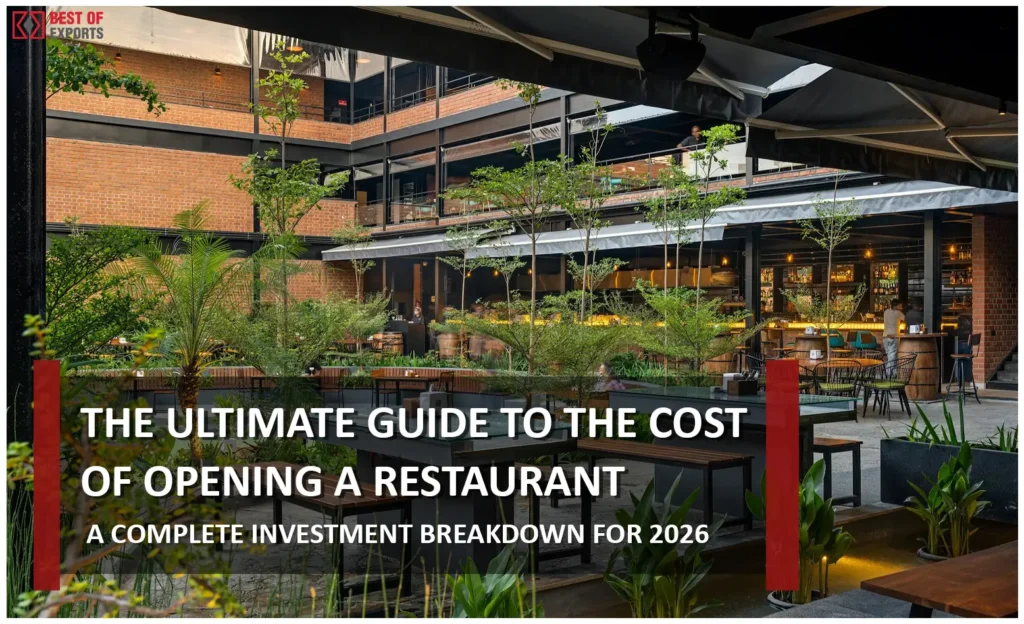
Opening a restaurant in India in 2026 is a promising venture, driven by a growing foodie culture, rapid urbanization, and an increasing demand for unique dining experiences. For aspiring entrepreneurs, launching a restaurant is not just a dream but a potentially profitable business opportunity. However, understanding the cost of opening a restaurant is crucial to transforming this vision into reality. This comprehensive guide breaks down every element of the restaurant setup cost, including location, licenses, equipment, interiors, staffing, marketing, and hidden expenses. By the end, you’ll have a clear picture of the total restaurant business investment needed to succeed in India in 2026.
Understanding Restaurant Setup Cost in India
The cost of opening a restaurant in India varies widely based on factors like size, location, concept, and target audience. Broadly, restaurant costs can be divided into two categories:
- Fixed Costs: One-time expenses such as kitchen equipment, furniture, interior design, licenses, and branding.
- Operational Costs: Recurring expenses like rent, staff salaries, raw materials, utilities, and marketing.
A thorough understanding of these costs is essential for creating a solid restaurant business plan India and ensuring long-term profitability.
Factors Influencing the Cost of Opening a Restaurant
Several elements impact the total restaurant opening cost:
- Location: Prime areas in metro cities like Mumbai, Delhi, or Bangalore have higher rents compared to tier-2 cities like Lucknow or Chandigarh.
- Restaurant Size: A compact 500 sq. ft. eatery costs far less than a sprawling 2,000 sq. ft. fine-dining venue.
- Concept & Theme: A simple fast-food joint requires less investment than a themed fine-dining restaurant with intricate décor.
- Menu Complexity: Restaurants with elaborate menus, such as those offering multi-cuisine or gourmet dishes, need advanced kitchen equipment, increasing the restaurant equipment cost India.
Also Read: How to Start Restaurant Business in India – A Step-By-Step Guide
Step 1: Crafting Your Restaurant Business Plan India – The Blueprint for Success
A well-thought-out restaurant business plan India is the foundation of your venture. It outlines your vision, financial projections, and strategies to achieve profitability. For example, a 600 sq. ft. restaurant named “Taste Haven” aims to serve 120 customers daily with a fusion menu, projecting an initial cost of opening a restaurant at Rs. 10 lakhs and targeting a 25% ROI within two years.
Market research is vital. In India, 65% of restaurant-goers are aged 20–40, seeking unique dining experiences and Instagrammable settings. While chains like McDonald’s dominate urban areas, niche restaurants like farm-to-table eateries in Pune are gaining traction. Your unique selling proposition (USP)—such as affordable gourmet meals at Rs. 200 per dish—can set you apart.
Financial projections are the core of your plan. For Year 1, estimate revenue at Rs. 80 lakhs, with 40% allocated to food costs. A break-even analysis suggests serving 60 customers daily could recover the restaurant setup cost in 15–20 months. Funding can be a mix of 50% personal savings and 50% loans or investors. Allocate 35% of the budget to setup, 15% to marketing, and the rest to operations. Use tools like Google Sheets for financial tracking.
In 2026, account for a 6–8% rise in ingredient costs due to inflation, as per economic trends. Regularly updating your restaurant business plan India ensures you stay on track and impress potential investors by demonstrating a clear grasp of the cost of opening a restaurant.
Step 2: Selecting the Ideal Location – A Key Driver of Restaurant Setup Cost
Location significantly influences the cost of opening a restaurant—up to 45% of your success hinges on it. In metro cities like Chennai, rent in high-traffic areas near malls or offices ranges from Rs. 250 to Rs. 600 per sq. ft. This increases the restaurant opening cost by 20–30%. A 600 sq. ft. space is ideal for small restaurants, balancing visibility with affordability. In tier-2 cities like Bhopal, rents are lower at Rs. 60–180 per sq. ft., reducing the total restaurant business investment by up to 25%.
Beyond rent, factor in security deposits (6–12 months’ rent, e.g., Rs. 4–8 lakhs for a 600 sq. ft. space at Rs. 120 per sq. ft.) and brokerage fees (one month’s rent). Renovation costs, including electrical and plumbing work, range from Rs. 1,200 to Rs. 2,500 per sq. ft. Total location-related costs can range from Rs. 6–12 lakhs.
Visibility is critical—a street-facing location with parking attracts more customers than an upper-floor space. Aim for areas with at least 250 passersby per hour, using tools like Google Maps to analyze footfall. In 2026, hybrid models combining dine-in and delivery are trending, reducing reliance on walk-ins and cutting costs by 10–15%. Negotiate leases with annual rent hikes capped at 5% to control future expenses.
A poor location can cripple your business, slashing sales and inflating costs. Carefully evaluate rent, visibility, and customer traffic to ensure your restaurant thrives and keeps the cost of opening a restaurant manageable.
Also Read: Top 10 Restaurant Trends to Watch in 2025
Step 3: Legal Requirements – Navigating Restaurant License Cost in India
Compliance with legal requirements is non-negotiable to avoid penalties, which can reach Rs. 12 lakhs. The restaurant license cost in India ranges from Rs. 60,000 to Rs. 2 lakhs, depending on the restaurant’s scale. Here’s a breakdown:
- FSSAI License: Mandatory for all food businesses. Basic registration (turnover < Rs. 12 lakhs) costs Rs. 100 annually. State licenses (turnover Rs. 12–20 crores) cost Rs. 2,500 yearly, while central licenses (> Rs. 20 crores) cost Rs. 8,000. Apply via the FoSCoS portal; processing takes 45–60 days.
- GST Registration: Free but required if turnover exceeds Rs. 20 lakhs. Most restaurants fall under the 5% GST slab.
- Shop & Establishment License: Costs Rs. 600–6,000, varying by state, ensuring compliance with labor regulations.
- Fire NOC: Essential for safety, costing Rs. 6,000–25,000, confirming fire extinguishers and exits are in place.
- Health/Trade License: Issued by local authorities, costing Rs. 1,500–12,000.
- Liquor License: If serving alcohol, expect costs of Rs. 2–6 lakhs, depending on the state.
- Music License: For background music, IPRS or PPL licenses cost Rs. 6,000–25,000 annually.
- Trademark Registration: Protect your brand for Rs. 5,000.
Basic licenses cost around Rs. 25,000, while extras like liquor or music licenses can push the total to Rs. 1.5 lakhs. Hiring a consultant for Rs. 12,000 can streamline the process. Start applications three months before opening to avoid delays. Compliance ensures a smooth launch and protects against legal issues.
Step 4: Creating an Inviting Space – Restaurant Interior Design Cost Breakdown
Ambiance drives 55% of repeat customers, making interior design a critical part of the cost of opening a restaurant. For a 600 sq. ft. restaurant, interior costs range from Rs. 4–10 lakhs. Here’s a breakdown:
- Furniture: Restaurant Tables, Restaurant Chairs, and seating cost Rs. 1.5–3 lakhs. Modular furniture at Rs. 6,000 per set is durable and cost-effective.
- Lighting: Ambient LED lights and chandeliers cost Rs. 60,000–1.5 lakhs, creating a welcoming vibe.
- Walls & Flooring: Wooden flooring or tiles cost Rs. 120–250 per sq. ft., totaling Rs. 1.5–3 lakhs.
- Signage & Branding: Custom signs or digital displays cost Rs. 60,000–1 lakh for visibility.
- Kitchen Setup: Partitioning and ventilation cost Rs. 60,000–1 lakh for hygiene.
Budget-saving tips include DIY wall art (Rs. 12,000) or second-hand furniture from platforms like Quikr, saving 30%. Trending themes in 2026 include industrial designs with metal accents or eco-friendly setups with wooden elements, appealing to sustainability-focused diners. Freelance designers (Rs. 60 per sq. ft.) are cheaper than firms (Rs. 200 per sq. ft.). Sustainable materials like reclaimed wood cut costs by 10–15%. Interiors typically account for 25–30% of the restaurant setup cost, so strategic investments create an inviting space that drives customer loyalty.
Step 5: Equipping Your Kitchen – Restaurant Equipment Cost India
A well-equipped kitchen is the backbone of your restaurant. Downtime from faulty equipment can cost Rs. 60,000 monthly in lost revenue, so quality matters. The restaurant equipment cost India ranges from Rs. 3–7 lakhs for a small setup. Key items include:
- Cooking Equipment: Gas stoves, ovens, and grills cost Rs. 50,000–2 lakhs.
- Refrigeration: Fridges and freezers cost Rs. 40,000–1 lakh for fresh storage.
- Small Appliances: Microwaves, blenders, and mixers cost Rs. 10,000–20,000.
- POS System: Costs Rs. 30,000–70,000 for efficient billing and inventory tracking.
- Utensils: Plates, cutlery, and serving ware cost Rs. 25,000–60,000.
Sourcing from platforms like IndiaMART can save 15–20%. Leasing high-end equipment reduces upfront costs. Energy-efficient appliances lower utility bills by 8–12%. For delivery-focused restaurants, modular kitchen setups cost around Rs. 2 lakhs. Allocate 5% of your annual budget for maintenance to avoid disruptions. Quality equipment boosts efficiency, supports high output (e.g., 500 meals daily), and enhances profitability.
Also Read: Different Types of Restaurant Chairs That Diners Love 2024
Step 6: Inventory & Supplies – Managing Recurring Restaurant Business Costs
Initial inventory for a restaurant costs Rs. 1.5–3 lakhs. Fresh ingredients like vegetables, meat, and spices cost Rs. 30,000–50,000 monthly. Dairy products add Rs. 15,000, while packaging (e.g., eco-friendly containers) costs Rs. 20,000–30,000. In 2026, platforms like BigBasket for Business offer bulk discounts of 10–15%. Inventory apps reduce waste by 8%, keeping food costs at 30–35% of sales. Build vendor relationships for flexible payment terms. Monthly inventory costs range from Rs. 60,000–1.5 lakhs, depending on menu size and sales.
Step 7: Assembling Your Team – Labor Costs in Restaurant Investment Breakdown
A small restaurant requires 6–8 staff, including a head chef (Rs. 30,000–50,000/month), cooks (Rs. 18,000–25,000), and servers (Rs. 15,000–22,000). Initial training costs Rs. 25,000. Add 10–15% for PF and ESIC. Total monthly labor costs range from Rs. 1.2–2.5 lakhs, about 25–30% of revenue. Platforms like Naukri.com aid hiring. In 2026, gig platforms like Urban Company cut staffing costs by 15% with flexible workers. Incentives and a positive work culture reduce turnover (industry average: 35%).
Step 8: Marketing Strategies – Cost-Effective Promotion for Restaurant Opening
A launch budget of Rs. 60,000–1.5 lakhs can create buzz. Social media campaigns on Instagram and WhatsApp (Rs. 25,000) showcase your menu and ambiance. Partner with local influencers for Rs. 15,000. Flyers and signboards cost Rs. 25,000.
A loyalty app (Rs. 15,000) retains customers. Aim for 12,000 impressions using local hashtags. Offer a 15% opening discount to attract crowds. Spend 6–8% of monthly revenue on marketing to sustain growth. Creative campaigns like “Taste Your City” contests build community without breaking the bank.
The Complete Restaurant Investment Breakdown for 2026
For a 600 sq. ft. urban restaurant:
| Category | Low-End (Rs. Lakhs) | Mid-Range (Rs. Lakhs) | High-End (Rs. Lakhs) | Notes |
| Location (Rent/Deposit/Renovation) | 5 | 8 | 12 | 6–12 months deposit |
| Licenses & Permits | 0.6 | 1.2 | 2 | FSSAI + GST essential |
| Interior Design & Furniture | 3 | 5 | 8 | Eco-friendly saves 10% |
| Equipment | 3 | 4.5 | 6 | Leasing reduces costs |
| Initial Inventory | 1.5 | 2 | 3 | Bulk sourcing discounts |
| Marketing & Branding | 0.6 | 1 | 1.5 | Digital-first approach |
| Staffing (First 3 Months) | 2 | 3 | 4 | Training included |
| Utilities & Misc (Setup) | 0.6 | 0.8 | 1.2 | POS + insurance |
| Total Initial Cost | 16.7 | 25.5 | 37.7 | Excludes working capital |
| Monthly Operating Cost | 2 | 3 | 4 | Rent + salaries dominant |
For a small restaurant business cost, aim for Rs. 15–20 lakhs. Factor in 6–8% inflation for 2026. Break-even requires Rs. 4 lakhs/month revenue.
Average Restaurant Opening Cost in India (2026 Overview)
| Restaurant Type | Location | Approximate Cost (INR) |
| Small Restaurant (≤600 sq. ft.) | Tier-2 City | ₹10–20 lakh |
| Small Restaurant (≤600 sq. ft.) | Metro City | ₹20–30 lakh |
| Medium Restaurant (600–1200 sq. ft.) | Tier-2 City | ₹25–40 lakh |
| Medium Restaurant (600–1200 sq. ft.) | Metro City | ₹40–60 lakh |
| Premium Restaurant (>1200 sq. ft.) | Metro City | ₹60–120 lakh+ |
Also Read: Exploring Modern Styles in Restaurant Furniture Design
Small Restaurant Business Cost: Budget-Friendly Setup
For limited budgets, a small restaurant (≤600 sq. ft.) in a tier-2 city requires:
- Total restaurant opening cost: ₹10–20 lakhs
- Monthly operational expenses: ₹60,000–₹2 lakhs
- Breakeven period: 12–20 months
Focus on takeout, limited seating, and a concise menu to minimize small restaurant business cost.
Restaurant Franchise vs Independent Restaurant Investment
- Franchise Model:
- Initial Fee: Rs. 15–60 lakhs
- Monthly Royalty: 6–12% of revenue
- Pros: Brand recognition, established systems
- Cons: Limited creativity, ongoing fees
- Independent Restaurant:
- Total restaurant business investment: Rs. 10–120 lakhs
- Pros: Full control, higher profit retention
- Cons: Higher risk, branding effort required
Restaurant Business Plan India: Financial Planning Tips
- Revenue Forecasting: Estimate daily covers, average bill, and monthly revenue.
- Break-even Analysis: Achieve within 12–24 months.
- Expense Management: Control inventory, labor, and rent costs.
- ROI Estimation: Target 15–25% ROI in 2–3 years.
Hidden Costs to Account For
- Equipment Maintenance: Rs. 15,000–60,000/year
- Utility Bills: Rs. 15,000–60,000/month
- Staff Turnover: Rs. 60,000–1.5 lakhs/year
- Marketing Adjustments: Rs. 15,000–60,000
Step-by-Step Guide: How Much Investment Is Required to Open a Restaurant
- Market Research: Study location, competitors, and audience.
- Budget Planning: Define restaurant size, theme, and cost of opening a restaurant.
- Legal Formalities: Secure FSSAI, GST, and other licenses.
- Location Selection: Choose high-traffic areas with affordable rent.
- Interior & Equipment: Invest in furniture, appliances, and POS systems.
- Staff Recruitment: Hire chefs, servers, and train them.
- Inventory: Stock quality ingredients and packaging.
- Marketing Campaign: Use social media, influencers, and discounts.
- Launch: Ensure a smooth opening day.
- Monitor: Track costs and revenue for profitability.
Smart Ways to Reduce Restaurant Business Cost
- Lease high-end kitchen equipment.
- Start with a compact menu.
- Use shared spaces in food courts.
- Source ingredients in bulk.
- Prioritize digital marketing.
Final Thoughts: Is Opening a Restaurant Worth It in 2026?
India’s dining scene is thriving in 2026, driven by young professionals, food enthusiasts, and social media trends. While the cost of opening a restaurant is substantial, a well-executed plan with a unique concept, quality food, and strategic marketing can yield strong returns.
A detailed restaurant business plan India, careful budgeting, and awareness of hidden costs will set you up for success. With the right approach, opening a restaurant in 2026 can be both a fulfilling passion and a lucrative business.
FAQs on Restaurant Setup Costs 2026
1. How much does it cost to open a restaurant in India in 2026?
The cost depends on location, size, and concept. A small restaurant in a tier-2 city may cost ₹8–15 lakh, while a medium-sized restaurant in a metro city can go up to ₹35–50 lakh. Major expenses include rent, kitchen equipment, licenses, staff, and interior setup.
2. What is the biggest expense when opening a restaurant?
Rent and location usually account for the largest portion of costs, especially in busy metro areas. Kitchen equipment and quality furniture are also significant contributors to the total setup cost.
3. Do I need licenses to open a restaurant?
Yes. Essential licenses include FSSAI for food safety, GST registration, Shop & Establishment Act license, and a fire NOC. Additional licenses, like a liquor license or music license, are needed depending on your offerings.
4. How much should I budget for restaurant furniture and interiors?
Furniture and interiors typically consume 20–30% of your total setup budget. For a small 600 sq. ft. restaurant, this can range from ₹3–8 lakh depending on style, materials, and theme.
5. What is the average cost of kitchen equipment for a restaurant?
Basic kitchen equipment costs range from ₹3–6 lakh, including ovens, stoves, refrigerators, blenders, and POS systems. Leasing high-end machines can reduce upfront expenses.
6. How many staff members do I need for a small restaurant?
A small restaurant (≤600 sq. ft.) generally requires 5–8 staff members, including a chef/manager, line cooks, and servers. Monthly salaries can range from ₹1–2 lakh, including benefits.
7. How much should I allocate for initial inventory and supplies?
Initial inventory for ingredients, beverages, and packaging may cost ₹1–2 lakh. Monthly recurring costs typically range from ₹50,000–1 lakh depending on sales volume and menu complexity.
8. How much should I spend on marketing when opening a restaurant?
For the initial launch, a marketing budget of ₹50,000–1 lakh is recommended. Focus on social media campaigns, influencer collaborations, local promotions, and loyalty programs. Ongoing marketing should be around 5–7% of monthly revenue.
9. How long does it take to break even?
Small to medium-sized restaurants usually break even in 12–24 months, depending on daily footfall, menu pricing, and operational efficiency. Proper planning and cost control can shorten this period.
10. Can the cost of opening a restaurant be reduced?
Yes. Strategies include leasing kitchen equipment, starting with a limited menu, sharing spaces in co-working or cloud kitchen setups, bulk sourcing ingredients, and focusing on digital marketing instead of traditional advertising.

Pingback: 25 Creative Restaurant Opening Ideas to Attract Customers