
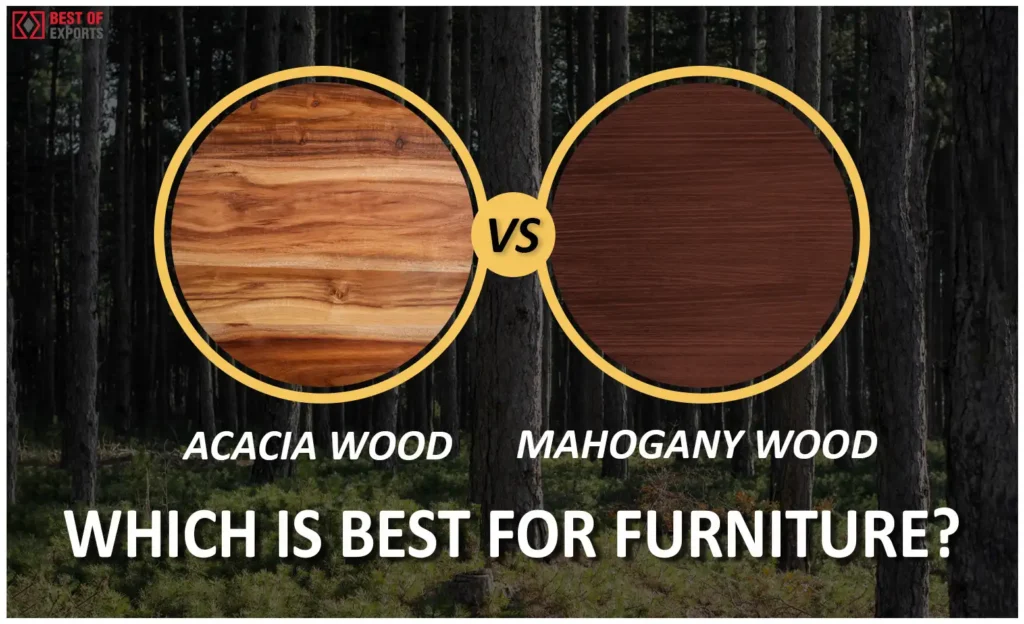
When it comes to crafting high-quality furniture, the type of wood you choose plays a significant role in determining not just the appearance but also the durability, usability, and cost of the final product. Among the wide array of hardwoods available, two popular contenders often stand out — acacia wood vs mahogany furniture. Both offer distinct advantages and serve different design and functional needs.
Whether you’re furnishing a modern home, setting up a classy cafe, or designing interiors for a luxury hotel, understanding the differences between acacia wood and mahogany can help you make a more informed and lasting investment. From strength and aesthetics to pricing and maintenance, this detailed guide will help you determine the best fit for your furniture project.
What is Acacia Wood?
Acacia wood comes from a wide variety of acacia tree species that thrive across continents including Asia, Africa, Australia, and the Americas. Its impressive durability and natural resistance to damage have made it an increasingly popular choice in modern furniture design.
Key Features of Acacia Wood:
- Density: High density, making it naturally strong and heavy-duty
- Grain: Typically straight but can be wavy or interlocked; has a distinct, exotic pattern
- Color: Rich hues ranging from light amber to deep reddish-brown
- Workability: Requires sharp tools; great for carving and shaping
- Sustainability: Often harvested from fast-growing trees, making it relatively eco-friendly
What is Mahogany Wood?
Mahogany wood holds an iconic status in the realm of fine furniture craftsmanship. With its origins rooted in regions like Central and South America, parts of Africa, and Asia, this hardwood is admired for its deep reddish tones and naturally sleek, refined texture. For generations, mahogany has been the material of choice in the creation of luxurious furniture, premium musical instruments, and high-end marine vessels.
Key Features of Mahogany Wood:
- Density: Moderately high, extremely durable and hard-wearing
- Grain: Straight and uniform with a natural luster
- Color: Deep reddish-brown that darkens beautifully over time
- Workability: Easy to cut, sand, and polish
- Longevity: Resistant to swelling, shrinking, and warping
Also Read: Top 10 Hospitality Furniture Manufacturers in India
Acacia Wood vs Mahogany: A Detailed Comparison
Let’s examine the key differences between acacia wood vs mahogany furniture to help you decide which one suits your design vision, budget, and usage needs.
| Feature | Acacia Wood | Mahogany Wood |
| Durability | Highly durable, water-resistant | Exceptionally durable, warp-resistant |
| Grain & Texture | Exotic, bold grain patterns | Straight, fine, and smooth grain |
| Color Range | Light brown to reddish hues | Rich, dark reddish-brown tones |
| Maintenance | Moderate upkeep required | Low maintenance, polishes well |
| Workability | Requires effort; dense wood | Easy to shape and polish |
| Cost | Moderately priced | More expensive and premium |
| Eco-Friendliness | Sustainable, fast-growing trees | Less sustainable; slow-growing trees |
| Best Use Cases | Dining tables, benches, outdoor furniture | Luxury furniture, cabinets, beds |
1. Durability and Longevity
When it comes to furniture, durability is non-negotiable — especially for commercial use or high-traffic areas.
Acacia wood has a hard surface and natural water resistance, making it perfect for daily-use furniture like dining tables, coffee tables, and outdoor seating. Its dense structure helps prevent scratches and dents.
Mahogany, on the other hand, is known for its unmatched resistance to warping and swelling. It ages gracefully and maintains structural integrity even after decades of use, making it ideal for heirloom pieces like beds, wardrobes, and sideboards.
Winner: Mahogany wood for lifetime durability and resistance to climate-related wear.
2. Appearance and Visual Appeal
If you’re choosing wood for its aesthetic appeal, both acacia and mahogany offer striking yet distinct appearances.
Acacia wood stands out with its natural, contrasting grain patterns. Each piece looks unique due to its variations in color and texture. Its wild, exotic look fits perfectly in rustic, modern, and industrial interiors.
Mahogany wood is synonymous with elegance. With its deep, consistent reddish-brown tone and fine grain, it’s often seen in classic, luxurious interiors. It also develops a deeper patina over time, enhancing its vintage charm.
Winner: Tie. Choose acacia for bold, rustic beauty; go with mahogany for timeless luxury.
3. Workability and Craftsmanship
Different woods offer varying levels of workability, which matters if you’re designing custom or detailed furniture pieces.
Acacia wood, although dense, can be shaped well with the right tools. It’s excellent for artisan furniture and handcrafted items but might be challenging for intricate carving due to its irregular grain.
Mahogany wood is a dream for carpenters and craftsmen. It’s easy to machine, cut, and polish. This makes it a go-to choice for ornate furniture, fine joinery, and detailed carvings.
Winner: Mahogany takes the lead due to its effortless carving and smooth finishing capabilities.
4. Price and Affordability
Budget is a key deciding factor when furnishing a space, especially for bulk orders or commercial projects.
Acacia wood is moderately priced, offering excellent value for money. It gives a premium look without the premium price tag, making it ideal for stylish yet affordable furniture.
Because mahogany trees grow at a slower pace and are not as readily available, combined with their high popularity in luxury markets, mahogany wood ranks among the priciest hardwoods on the market. It’s considered a luxury material and is often used in high-end or custom furniture.
Winner: Acacia wood for cost-effective solutions without compromising on strength and aesthetics.
5. Maintenance and Care
Every wood type needs care, but the frequency and type of maintenance vary.
Acacia wood needs moderate maintenance. While it resists water and scratches well, it benefits from occasional oiling or polishing to retain its shine and prevent drying out.
Mahogany wood is relatively low maintenance. A simple dusting routine and occasional polishing keep it looking new. Its fine grain resists dust and fingerprints better than more open-grain woods.
Winner: Mahogany wood for minimal upkeep.
6. Environmental Impact and Sustainability
As environmental consciousness rises, the source of timber plays a crucial role in responsible furniture selection.
Acacia trees grow quickly and are often planted specifically for timber harvesting, making them a sustainable choice. They’re also commonly used in agroforestry.
Mahogany trees grow slowly and are often harvested in protected forests, leading to stricter regulations and limited availability. While plantation-grown mahogany is more sustainable, it’s still less eco-friendly than acacia.
Winner: Acacia wood for being more environmentally sustainable.
Also Read: Most Common Types of Wood and Their Uses – A Complete Guide
Which Wood Is Better for Different Types of Furniture?
| Furniture Type | Recommended Wood | Reason |
| Dining Tables | Acacia Wood | Stylish, durable, and cost-effective |
| Beds | Mahogany Wood | Premium look with high durability |
| Coffee Tables | Acacia Wood | Unique grain and budget-friendly |
| Wardrobes | Mahogany Wood | Long-lasting with elegant finish |
| Chairs | Acacia Wood | Light, sturdy, and affordable |
| Bookshelves | Mahogany Wood | Holds heavy loads and resists warping |
| Outdoor Furniture | Acacia Wood | Natural water resistance and weather durability |
Acacia Wood vs Mahogany: Final Verdict
Choosing between acacia wood vs mahogany furniture ultimately comes down to your specific requirements.
- Choose Acacia Wood if you’re looking for a budget-friendly, sustainable, and visually striking option. It’s great for rustic, modern, or eclectic interiors and can handle daily use with style.
- Go with Mahogany Wood if you want a timeless, premium piece that showcases classic elegance. Its durability, ease of maintenance, and rich appearance make it perfect for heirloom or luxury furniture.
Each of these woods brings a powerful combination of durability and visual charm that stands the test of time. The right choice depends on your design taste, budget, and intended use.
Why Choose Best of Exports for Acacia and Mahogany Wood Furniture?
At Best of Exports, India’s top-rated restaurant and hotel furniture manufacturer, we craft stunning furniture using the finest quality acacia and mahogany wood. Whether you’re designing a luxury dining space, a vibrant café, or an upscale hotel suite, our expert team ensures your furniture is functional, durable, and breathtakingly beautiful.
What Sets Us Apart:
- Over 1500+ projects successfully completed across commercial and hospitality spaces
- A massive 1.15 lakh sq. ft. facility with in-house design and production
- Premium wood selection with proper seasoning and quality checks
- Customization options for size, finish, and upholstery
- Worldwide shipping and bulk order support for hotels, restaurants, and cafés
If you want furniture that blends design, durability, and value — Best of Exports is your ultimate destination.
Conclusion: Acacia Wood vs Mahogany Furniture – Your Perfect Match?
In the end, both acacia and mahogany woods offer tremendous value. If you seek modern styling, affordability, and sustainability, acacia wood is a top contender. But if you desire classic beauty, heritage charm, and unmatched craftsmanship, mahogany wood is your ideal pick.
No matter your choice, ensure you work with trusted manufacturers like Best of Exports to get the finest quality wood and impeccable design execution.
FAQs: Acacia Wood vs Mahogany Furniture
1. Which wood is stronger: Acacia or Mahogany?
Both are strong, but mahogany offers better resistance to warping over time. Acacia is harder and more resistant to scratches.
2. Is acacia wood eco-friendly?
Yes, acacia wood is a sustainable option as it comes from fast-growing, cultivated trees.
3. Can mahogany furniture be used outdoors?
Mahogany is generally best for indoor use. It can be used outdoors if properly sealed and protected.
4. Which is more expensive: Acacia or Mahogany?
Mahogany is generally more expensive due to its slower growth and limited availability.
5. Does mahogany darken over time?
Yes, mahogany develops a rich patina as it ages, enhancing its visual appeal.
6. Which wood requires more maintenance?
Acacia requires more regular oiling, while mahogany maintains its look with minimal effort.
7. What kind of furniture is acacia best suited for?
Acacia is great for Restaurant Tables, Restaurant Chairs, outdoor benches, and rustic décor.
