

The Indian coffee market has grown impressively by 10-15% annually in the last two decades. This growth offers a great chance for aspiring cafe owners to succeed. The expanding middle class and evolving urban culture have made cafe businesses an attractive venture in India.
Starting a cafe needs original investments between Rs. 5-10 Lakhs to Rs. 25 Lakhs, along with careful planning and market understanding.
How to Start a Cafe Business in India successfully depends on several factors – from obtaining the right licenses to creating an inviting atmosphere that keeps customers coming back. We’ve created this complete guide to walk you through every step of How to Start a Cafe Business in India, covering everything from developing a solid business plan to meeting all legal requirements.
Understanding the Indian Cafe Market in 2025
India’s cafe market shows remarkable progress. Experts project it will reach USD 855 million by 2025. The market has grown beyond its tea-drinking roots. Urban areas now embrace coffee culture thanks to changing priorities and higher disposable incomes. The coffee retail chain market grows 10.15% each year. This makes it the perfect time to think about starting a cafe in India.
Current trends in India’s cafe industry
The cafe scene continues to transform as we approach 2025. Businesses now make eco-friendly practices their main focus. They use sustainable packaging and source their products ethically.
Digital platforms help cafes reach more customers through delivery services. People who work and study at cafes have made these places more popular than ever.
Cafes now serve multiple purposes.
The rise of coworking cafes has changed the game completely. Flexible workspace leasing has jumped by 43% in recent years. Quick-service formats have gained popularity too. App-based ordering and compact high-street locations make life easier for busy customers.
Types of cafes thriving in the market
The current market sees several cafe models doing exceptionally well:
- Specialty coffee shops: These places focus on premium coffee, single-origin beans, and expert brewing. India stands unique as the only country that grows all its coffee under shade. This gives specialty cafes excellent local sourcing options.
- Quick-service coffee outlets: Companies like Fast Coffee expand faster each day. They serve quality coffee quickly while staying true to sustainable principles.
- Health-conscious cafes: More than 70% of Indian consumers want to improve their health through better food choices. This has led to growth in cafes that serve functional beverages and wellness products.
- Co-working cafes: These spaces offer comfort with Wi-Fi, power outlets, and longer hours. Remote workers and freelancers love these features.
Analyzing your target audience
You need to know your potential customers when planning a cafe. Millennials, full-time workers, parents with kids under 18, city dwellers, and teenagers drive India’s cafe industry. Young professionals aged 25-34 promote coffee shops the most and lead coffee consumption trends.
This group looks for premium offerings and likes to try new varieties. Quality experiences matter to them, and they’ll pay more for specialty coffee and good ambiance. Your cafe’s concept, menu, and marketing strategy should reflect what these customers want.
Competitive landscape analysis
Many local, international, and global players compete for market share in India’s cafe market. Big chains like Cafe Coffee Day, Starbucks, Barista, Costa Coffee dominate urban areas. Newer players like Third Wave Coffee plan to open 150 cafes by March 2025.
Tier 1 cities see intense competition, while remote areas have fewer options. Many cafe chains now target Tier 2 and Tier 3 cities that show untapped potential. Independent outlets still lead the market with about 77% market share in 2024. Most of these operate in metropolitan cities.
Starting a cafe in India requires the right location, quality products, and excellent service. These factors help you stand out from competitors. Remember to plan for both startup costs and daily operations when you calculate your cafe’s budget.
Creating Your Cafe Business Plan
A solid business plan is the foundation for any cafe venture to succeed in India’s competitive market. You need a detailed roadmap that outlines your vision, financial projections, and operational strategy before you start buying equipment or planning your menu.
1. Defining your cafe concept and USP
Your unique selling proposition (USP) helps your cafe stand out from other competitors in the market. Your USP should quickly answer your customers’ questions about your business. Here’s what you need to do while developing your cafe concept:
- Pick the type of cafe you want to open—standard coffee shop, chain cafe, espresso bar, or another variant
- Learn about your competitors and their offerings through market research
- Figure out how your business will make money
- Set realistic goals based on your concept
Note that a memorable USP focuses on customers and delivers tangible value. One industry expert puts it well: “There’s 100 places you can go for great coffee. What else are you going to give the customer?”. Your USP might be exceptional coffee, individual-specific experiences, vegan alternatives, unique atmosphere, or eco-friendly practices.
2. Setting realistic financial goals
Setting achievable financial targets gives you a clear path to success. Your first steps should include:
- Creating revenue projections based on menu prices, expected customer volume, and average spending per customer
- Finding your break-even point—when revenue covers all expenses
- Making a clear timeline for expected profitability
Most new cafes take between 6 months to several years to break even, based on their business model. A full break-even analysis compares projected revenue against monthly expenses and shows potential investors when they might see returns.
3. Calculating startup costs and operational expenses
Starting a cafe in India costs different amounts based on size, location, and concept. The average coffee cafe needs Rs. 5-10 Lakhs, while some ventures cost up to Rs. 25 Lakhs. Franchise options start from Rs. 3 Lakhs.
Here’s what you’ll spend money on:
- Rent/Security deposit: Rs. 1,00,000-3,00,000 plus monthly rent
- Equipment: Rs. 2,00,000-5,00,000 for espresso machines, grinders, etc.
- Cafe Furniture: Rs. 1,00,000-3,00,000 for tables, chairs, and fixtures
- Inventory: Rs. 50,000-1,50,000 for initial stock
- Permits & Licenses: Rs. 25,000-75,000 for required legal documentation
- Marketing & Branding: Rs. 25,000-1,00,000
- Working Capital: Rs. 1,00,000-3,00,000 for operational expenses
Monthly operations cost includes rent, utilities, salaries, inventory, and marketing. Food costs usually run about 30-40% of menu prices.
4. Securing funding options for your cafe
Getting adequate funding is vital if you want to open a cafe in India. Here are your financing options:
- Self-funding: Use personal savings or bootstrap (rely on initial revenue)
- Bank loans: HDFC Bank and others offer restaurant loans up to Rs. 75 lakhs without collateral
- MSME loans: Special loans for cafes and bakeries range from Rs. 50,000 to Rs. 2 Crore
- Private investors: Look for people willing to invest in your concept
- Crowdfunding: Platforms like Kickstarter let you pitch your cafe concept to potential supporters
Your business needs a minimum turnover of Rs. 40 lakhs to qualify for business loans. You should have been running it for at least 3 years with 5 years of total business experience. Most lenders want proof that your business made profits in the previous 2 years.
Your business plan’s financial section should include investment plans, profit & loss statements, and cash flow projections that show potential investors your cafe concept’s viability.
Finding the Perfect Location for Your Cafe
Location can make or break your cafe business in India. Experts say it determines up to 50% of your success factors. If you’re wondering how to start a cafe business in India, the next big step after finalizing your business concept is learning how to pick the perfect spot for your cafe.
1. High-traffic vs. neighborhood locations
Cafes typically come in two flavors: destination and convenience spots. Convenience cafes do well in busy areas where customers need quick service during their day.
These spots need to be close to major transit points, commercial areas, or schools. Destination cafes are different – people make special trips to enjoy their unique atmosphere. These places need cozy seating and longer hours so customers can stay a while.
Spots near colleges, parks, student housing, or office complexes naturally pull in more people. Ground floor cafes get better visibility and are easier to access than those upstairs. You’ll want to look at spaces near building entrances, stairs, or elevators to get the most customer traffic.
2. Evaluating rental costs across different cities
Rent prices swing wildly based on location, size, and property type. Commercial cafe spaces in big cities usually cost between Rs. 10,000 to Rs. 40,000 per month. Prime spots in city high-streets cost even more. Many cafe owners find better deals in up-and-coming neighborhoods where rents stay low but growth looks promising.
3. Space requirements based on cafe type
Your cafe’s concept shapes how much space you’ll need. Basic operations need about 10-12 square feet per person. A typical cafe layout puts 60% of space into dining areas and saves 40% for kitchen, storage, and operations.
Key space needs include:
- 60-100 cm (24-30 inches) between tables
- 60×60 cm tables for two people
- 75×105 cm tables for four people
- Room for counter, service area, and customer lines
Bigger menus need bigger kitchens. Planning to serve lunch? You’ll need space for 35-50 customers, which means an extra 400-600 square feet.
4. Negotiating favorable lease terms
Read your lease terms carefully before signing anything. Start with shorter leases (1-2 years) that include renewal options to lower your risk. Ask for a competitor clause so your landlord can’t rent nearby spaces to similar businesses.
Build your bargaining power by asking for perks like building upgrades or 2-3 months of free rent during renovations. Set clear limits on rent increases and spell out who handles maintenance costs. Let a commercial real estate lawyer look over your lease agreement to protect your interests.
Setting Up Your Cafe Operations
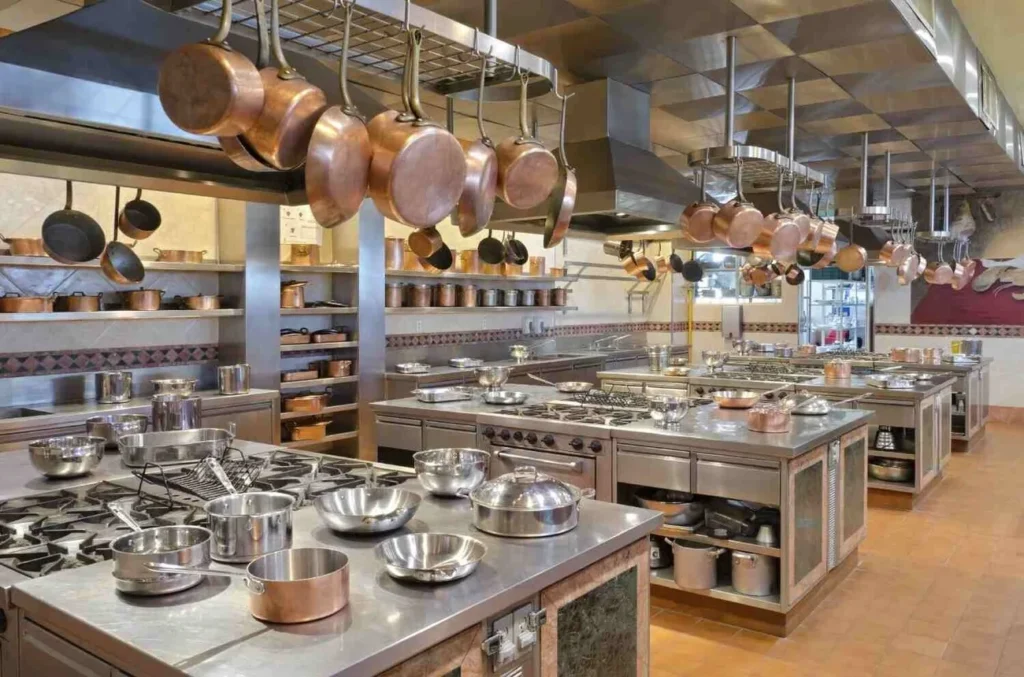
How to Start a Cafe Business in India involves several crucial steps, and your cafe’s equipment becomes the next big one after finalizing your business plan and location. The equipment you pick will affect your service quality and how smoothly you run things, according to industry experts.
1. Essential equipment checklist
A cafe setup needs several types of equipment. You’ll need to invest in quality espresso machines (INR 42,190 to INR 2,531,413), industrial coffee grinders (INR 50,628 to INR 337,521), and drip coffee makers (INR 3,375 to INR 50,628). You’ll also need refrigeration systems, ovens, food preparation surfaces, and cleaning stations.
Smart cafe owners save by a lot by buying lightly used equipment. A detailed POS system that works during internet outages and speeds up checkouts is vital too. Your food safety depends on proper storage containers, date labels, first aid kits, and food-grade chemical supplies.
2. Designing an efficient kitchen layout
The way you arrange your kitchen makes a huge difference in workflow. Here are some popular layouts to think over:
- Assembly line layout: Perfect for busy cafes that need systematic preparation
- Island layout: Puts cooking equipment in the middle with other stations around the edges
- Zoning layout: Splits the kitchen into specific areas for different tasks
The best approach is to use 60% of space for dining areas and 40% for kitchen and operations. Your layout should also create a smooth flow from delivery and storage through cooking and cleaning.
3. Selecting the right suppliers
Start by listing everything you need to find reliable suppliers. Local suppliers often offer fresher products at better prices, while specialty vendors are great for unique items like specialty coffee or pastries.
Look at each vendor’s business practices, quality, costs, payment terms, and refund policies. It’s worth mentioning that you should check ingredients in person before signing contracts. Having multiple supplier relationships helps keep your inventory steady.
4. Implementing cafe management software
Today’s cafes run better with specialized management software. These systems make inventory management easier, automate orders, and give you analytical insights. The best systems include customer loyalty programs, online ordering, and detailed sales tracking.
Pick software that combines POS, inventory, and customer management in one system. This gives you real-time business insights and cuts down manual work by up to 80%.
Legal Requirements to Start a Cafe in India
Legal compliance is a crucial step when learning How to Start a Cafe Business in India. Securing the right licenses and permits will protect your business from penalties and closures that could stop your plans in their tracks.
1. Business registration process
You need to choose a business structure first. Your options include sole proprietorship, partnership, Limited Liability Partnership (LLP), or private limited company. Each structure comes with different tax implications and liability protections. Small cafes work well with proprietorship because it’s simple. Growing cafe chains might find it better to register as a company under the Companies Act, 2013.
You’ll need proof of identity, address verification, and business location documents to register. This process creates your cafe’s legal identity. It lets you open bank accounts and sign formal contracts.
2. FSSAI and food safety licenses
Every cafe in India must have a Food Safety and Standards Authority of India (FSSAI) license. Your annual turnover determines which of these three FSSAI registrations you need:
- Basic Registration: For cafes with turnover up to Rs. 12 lakhs
- State License: For businesses with turnover between Rs. 12 lakhs and Rs. 20 crores
- Central License: For operations exceeding Rs. 20 crores in annual turnover
The FSSAI license requires form GST REG-01 and key documents like identity proof, business premises documentation, and NOC from property owners. Breaking FSSAI rules can lead to penalties up to Rs. 5 lakhs and jail time up to six months.
3. GST registration and tax compliance
Your cafe needs GST registration when annual turnover crosses Rs. 40 lakhs (Rs. 20 lakhs for special category states). Restaurants currently pay 5% GST without input tax credit. The rate jumps to 18% for restaurants in hotels with room rates above Rs. 7,500.
Each business location gets its own GSTIN. This means you need separate registrations if you have outlets in different states. You must file three monthly returns by the 10th, 15th, and 20th of each month. There’s also an annual return due by December 31st.
4. Employment and labor regulations
The Shops and Establishments Act sets rules for your cafe’s working conditions, including work hours, leaves, and holidays. Your staff can’t work more than five continuous hours without a 30-minute break or exceed nine hours daily.
You must follow minimum wage rules and keep proper attendance and leave records. Cafes with more than 20 employees need to implement Employee Provident Fund (EPF). Those with 10+ employees should provide gratuity benefits after five years of continuous service.
Clear employment agreements help avoid disputes. Make sure they spell out roles, responsibilities, and benefits.
Marketing Strategies to Boost Your Cafe Business in India
1. Understanding Your Target Audience
For How to Start a Cafe Business in India, knowing your audience is critical. Millennials, young professionals, and students are the most frequent cafe visitors. Conduct surveys or observe competitors to understand their preferences in coffee, snacks, seating arrangements, and digital engagement.
2. Social Media and Online Presence
Digital marketing plays a key role in cafe growth. Platforms like Instagram, Facebook, and X (Twitter) allow you to showcase your menu, share updates, and engage with customers. Using local hashtags and geo-tags can help attract nearby visitors. Encourage customers to tag your cafe in their posts for organic reach.
3. Promotions, Discounts, and Loyalty Programs
Attracting new customers and retaining them requires smart offers. In How to Start a Cafe Business in India, introduce loyalty cards, referral discounts, or festive promotions. Offering a free beverage on a customer’s birthday or creating combo deals encourages repeat visits.
4. Collaborations and Local Partnerships
Partnering with nearby businesses, coworking spaces, or local events boosts your cafe’s visibility. Collaborations with local artists or musicians can also create a unique experience, making your cafe a destination. This not only promotes your brand but also differentiates your cafe in a competitive market.
5. Tracking Results and Feedback
Monitoring marketing campaigns helps refine your strategy. Collect feedback through surveys or social media polls to understand what works. Adjust your marketing approach regularly to align with customer expectations and local trends. Smart marketing is essential in How to Start a Cafe Business in India to build a loyal customer base and increase profitability.
Hiring and Training Staff for Your Cafe
1. Identifying Key Roles
Staffing is a crucial step in How to Start a Cafe Business in India. Essential roles include baristas, kitchen staff, servers, and management personnel. Consider the scale of your cafe and ensure every role has clear responsibilities to maintain smooth operations.
2. Hiring Right Talent
Look for individuals with experience, positive attitude, and passion for hospitality. While technical skills like coffee brewing are important, interpersonal skills greatly influence customer satisfaction. Local job portals, social media, and references are excellent channels for recruitment.
3. Training and Skill Development
Proper training ensures consistent quality. In How to Start a Cafe Business in India, train staff on coffee preparation, hygiene standards, customer service, and handling equipment. Cross-training allows flexibility, so employees can cover multiple roles during busy periods.
4. Building a Motivated Team
Employee engagement is key for retention. Create a positive work environment with clear communication, recognition programs, and opportunities for growth. Motivated staff will deliver better service, which directly impacts customer experience.
5. Setting Policies and Procedures
Document workplace policies, including attendance, safety, and customer interaction guidelines. Having standard operating procedures ensures consistency, reduces errors, and keeps your cafe compliant with labor laws. Well-trained, happy employees contribute significantly to your success in How to Start a Cafe Business in India.
Menu Planning and Pricing Strategies for Your Cafe
1. Understanding Customer Preferences
A successful menu is central to How to Start a Cafe Business in India. Study local tastes, dietary trends, and customer preferences. Include popular beverages like espresso, cappuccino, and cold brews, along with complementary snacks and health-conscious options.
2. Balancing Variety and Simplicity
Offer enough variety to attract diverse customers without overwhelming them. A concise, well-curated menu ensures operational efficiency and reduces wastage. Include signature drinks or seasonal specials to create excitement and uniqueness.
3. Cost Analysis and Pricing
Pricing impacts profitability. Calculate ingredient costs, overheads, and desired profit margins. In How to Start a Cafe Business in India, ensure prices are competitive yet sustainable. Offer value combos or tiered pricing to cater to different budgets.
4. Highlighting Specialty Items
Unique offerings such as vegan pastries, cold-pressed juices, or single-origin coffee can set your cafe apart. Promoting these items on your menu and social media helps attract niche audiences and increases brand recall.
5. Regular Menu Updates
Update your menu based on seasonal trends, customer feedback, and sales analysis. Fresh offerings keep the experience exciting for regular visitors and encourage social sharing. Strategic menu planning is a key step in How to Start a Cafe Business in India to ensure long-term growth and customer satisfaction.
Conclusion
How to Start a Cafe Business in India requires careful planning and attention to detail. The original investment needed ranges from Rs. 5–25 Lakhs. The growing Indian coffee market offers excellent opportunities if you’re ready to put in the work.
Your cafe’s success depends on smart choices at every step. If you’re wondering How to Start a Cafe Business in India, you’ll need a solid business plan, the right location, quality equipment, and legal compliance. This is the perfect time to enter the cafe industry with India’s expanding middle class and evolving urban culture.
A thriving cafe business relies on delivering value through great products, exceptional service, and an inviting atmosphere. Learning How to Start a Cafe Business in India with a well-researched plan will help minimize risks and boost your chances of success.
To truly understand How to Start a Cafe Business in India you should explore each critical aspect we’ve covered. The market analysis, business planning, location selection, operations setup, and legal requirements will build your foundation. These elements will help your cafe stand out in India’s competitive market.
FAQs about How to Start a Cafe Business in India
Q1. What is the estimated investment required to open a cafe in India?
The initial investment for opening a cafe in India typically ranges from Rs. 5-10 Lakhs, but can go up to Rs. 25 Lakhs depending on factors like location, size, and concept. Franchise options may start from Rs. 3 Lakhs. Remember to account for ongoing operational expenses in addition to startup costs.
Q2. What are the essential licenses needed to start a cafe in India?
The most crucial license is the FSSAI (Food Safety and Standards Authority of India) license, which is mandatory for all food businesses. Other important permits include GST registration, Shop and Establishment Act license, and local municipal licenses. Ensure compliance with all relevant regulations to avoid penalties.
Q3. How can I make my cafe stand out in a competitive market?
To differentiate your cafe, focus on developing a unique concept and strong USP (Unique Selling Proposition). This could involve offering specialty coffee, creating a distinctive ambiance, providing exceptional customer service, or catering to specific dietary preferences. Conduct thorough market research to identify gaps in the local market that your cafe can fill.
Q4. What are the key factors to consider when choosing a location for my cafe?
When selecting a location, consider factors such as foot traffic, proximity to your target audience (e.g., office complexes, colleges), visibility, accessibility, and rental costs. The right location can significantly impact your cafe’s success, so take time to evaluate multiple options and negotiate favorable lease terms.
Q5. How long does it typically take for a new cafe to become profitable?
The time to profitability varies depending on factors like location, concept, and management. Many new cafes take between 6 months to several years to break even. Develop a detailed financial plan, set realistic goals, and continuously monitor and adjust your operations to optimize profitability. Remember that patience and persistence are often key to long-term success in the cafe business.
Q6. What is the first step in starting a cafe in India?
The first step in How to Start a Cafe Business in India is creating a comprehensive business plan. This includes defining your concept, understanding your target audience, analyzing competitors, and estimating startup costs and revenue projections.
Q7. How can I differentiate my cafe from competitors?
Your USP (Unique Selling Proposition) is key. In How to Start a Cafe Business in India, cafes stand out by offering specialty coffee, eco-friendly practices, cozy interiors, health-conscious menus, or innovative customer experiences.
Q8. What type of cafe models are trending in India?
Currently, specialty coffee shops, health-focused cafes, quick-service outlets, and coworking cafes are thriving. Understanding these models helps in How to Start a Cafe Business in India and choosing one that matches your vision and target audience.
Q9. How do I manage startup and operational costs effectively?
Budgeting is critical for How to Start a Cafe Business in India. Allocate funds for rent, equipment, staff salaries, marketing, and inventory. Maintain a working capital reserve to handle monthly expenses and unexpected costs.
Q10. Are there financing options available for new cafe owners in India?
Yes. Funding options include self-funding, bank loans, MSME loans, private investors, and crowdfunding. Choosing the right financing method is a crucial step in How to Start a Cafe Business in India.

Pingback: Cafe Setup Cost in 2026: Complete Guide to Starting a Cafe
Pingback: Top 10 Creative Cafe Business Ideas to Start in 2026
Pingback: Is a Cafe Business Profitable in India? The 2026 Guide
Pingback: Low Cost Small Cafe Seating Ideas | 10+ Budget-Friendly Tips
I m interested in starting cafe in Navi Mumbai Airoli.